Understanding outpatient programs for depression and addiction
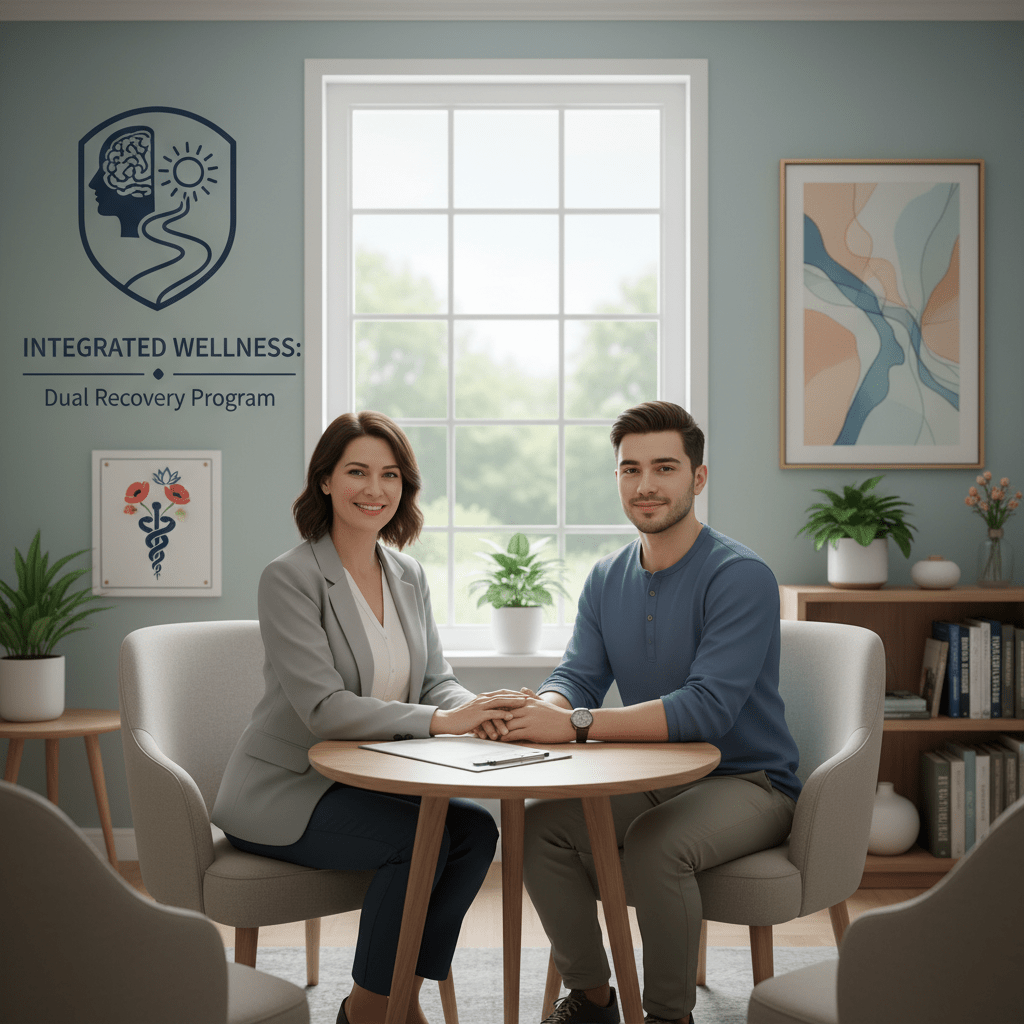
If you live with both depression and substance use, you are not alone and you are not broken. You are dealing with what clinicians call a dual diagnosis or co occurring disorder. An outpatient program for depression and addiction is designed to treat both conditions at the same time so you can stabilize your mood, reduce or stop substance use, and rebuild your daily life without stepping away from your responsibilities.
Outpatient treatment is part time care. You attend therapy and medical appointments on scheduled days and hours, then return home in the evenings. This structure lets you keep working, going to school, or caring for family while still receiving intensive support. Outpatient care can be an entry point into treatment, a step down from inpatient rehab, or an ongoing level of support to help you maintain recovery over the long term. Programs like partial hospitalization and intensive outpatient offer different intensities of care so you can match the level of structure to what you need right now [1].
When you look for a program, it is important to focus on options that specialize in co occurring conditions, such as a dedicated outpatient rehab for dual diagnosis or a broader mental health and addiction treatment program. Treating only one condition usually leads to setbacks. The right outpatient setting addresses the full picture of your mental health and substance use together.
Why treat depression and addiction together
Depression and addiction interact in powerful and often confusing ways. Substance use can temporarily numb emotional pain, but it also disrupts brain chemistry, sleep, relationships, and physical health, which feeds depressive symptoms. At the same time, low mood, hopelessness, and lack of motivation can make it harder to cut back or stop using.
If you treat only the addiction and ignore depression, you might get physically sober, but ongoing sadness, anxiety, or emptiness can quickly trigger relapse. If you treat only the depression and do not address substance use, alcohol or drugs can reduce the effectiveness of medications and therapy, and may worsen suicidal thoughts or impulsive behavior.
Research on substance use treatment supports integrated care. For example, a randomized trial in adults with severe alcohol use disorder found that structured inpatient care followed by ongoing outpatient support led to more days abstinent in the early months of recovery compared to outpatient care alone [2]. Other studies show that outpatient care can perform as well as or better than inpatient detox for some people when programs are well structured and follow up is strong, particularly for those with mild to moderate withdrawal risk [2].
When you choose an integrated treatment for addiction and mental health program, you work with one team that understands both sides of your experience. You are not asked to separate your depression from your substance use, because in your daily life they are intertwined.
Types of outpatient programs for co occurring disorders
Outpatient care for depression and addiction is not one size fits all. You can think of levels of care as rungs on a ladder, from the most intensive to the least. The main types include partial hospitalization programs, intensive outpatient programs, and standard outpatient therapy.
Partial hospitalization programs (PHP)
Partial hospitalization is the most intensive form of outpatient care. You typically attend treatment 5 or 6 days per week, for about 5 to 6 hours per day [1]. Programs like these may include:
- Daily group therapy focused on mood, coping, and relapse prevention
- Regular individual therapy sessions
- Psychiatric assessment and close medication management
- Skills classes, such as emotion regulation and communication
- Structured therapeutic activities and wellness groups
Some providers deliver PHP 3 to 7 days per week for at least 6 hours a day, combining group support, individual sessions, and practical skills building to help you reintegrate into work, school, and community life [3].
PHP is often a good fit if you need a high level of structure, you are stepping down from inpatient or residential care, or your symptoms feel too intense for a few hours a week of therapy but you can still stay safe at home.
Intensive outpatient programs (IOP)
Intensive outpatient programs offer a strong level of support with more flexibility. Typical IOP schedules involve about 3 hours of treatment per day, 3 to 5 days a week [1]. Many IOPs run morning or evening tracks so that you can keep a job or attend classes.
At some centers, intensive outpatient programming for addiction may meet in three hour evening sessions three times per week, and include:
- Group therapy to build insight and coping skills
- Individual and family counseling to repair relationships
- Medical and psychiatric interventions when needed
- Education about the emotional, social, and legal impact of addiction
- Structured practice of recovery skills at home between sessions [4]
IOP is often used as a step down from PHP, a step up from weekly therapy, or an entry level for people who need more than standard outpatient sessions but do not require 24 hour care.
Standard outpatient care
Standard outpatient programs usually involve 1 or 2 therapy sessions per week and periodic medication management visits. This format can work well if:
- Your symptoms are relatively stable
- You have completed a higher level of care, such as PHP or IOP
- You have strong support at home or in your community
Outpatient rehab programs can last 3 to 6 months, similar to inpatient lengths of stay, and may extend beyond one year for more serious or long standing conditions [1]. Many people use ongoing outpatient therapy as a long term safety net that supports continued growth and relapse prevention.
If anxiety is part of your experience along with substance use, a focused resource like anxiety and substance abuse treatment outpatient may help you understand how these symptoms fit into the bigger dual diagnosis picture.
What integrated outpatient treatment includes
An effective outpatient program for depression and addiction weaves together several core elements. When you evaluate programs, it can help to look for these components.
Comprehensive assessment and individualized planning
Your care should begin with a thorough assessment that explores:
- Your mental health history, including depression, anxiety, trauma, or other diagnoses
- Your pattern of substance use, including type, frequency, and consequences
- Medical history, current medications, and any withdrawal risks
- Family background, relationships, and support system
- Work, school, or legal concerns that may affect treatment
Using this information, your team develops an individualized plan that outlines specific goals, such as reducing cravings, stabilizing mood, improving sleep, and rebuilding daily routines. A dedicated dual diagnosis outpatient treatment program will adjust this plan as you progress, rather than locking you into a fixed pathway.
Evidence based therapies for thoughts and behaviors
Most dual diagnosis programs rely on evidence based psychotherapy. Common approaches include:
- Cognitive behavioral therapy to identify and shift thought patterns that fuel both depression and substance use
- Dialectical behavior therapy skills to help you tolerate distress, regulate emotions, and reduce impulsive behavior
- Motivational interviewing to strengthen your own reasons for change instead of arguing you into sobriety
- Trauma informed therapy approaches when past experiences continue to shape your mood and coping
These therapies are provided in both individual and group formats. A structured intensive outpatient model might blend group sessions, individual counseling, family meetings, and psychoeducation to help you understand how addiction and depression affect your body and mind, and what realistic recovery looks like [5].
Psychiatric support and medication management
When depression and addiction occur together, medication can be an important tool, but it must be used carefully. In an integrated program you meet with a psychiatrist or other prescribing clinician to discuss:
- Antidepressant options and how they interact with substances
- Medication assisted treatment for certain substance use disorders, when appropriate
- Sleep, anxiety, and other symptoms that may need targeted support
- Potential side effects and how to monitor them safely
Intensive outpatient treatment for depression typically includes medication management alongside therapy to create a holistic and personalized plan. Providers focus on addressing your unique symptom pattern, underlying causes, and practical coping strategies to support both mood and sobriety [5].
Dual diagnosis and relapse prevention focus
Because depression and addiction reinforce each other, dual diagnosis programs place a strong emphasis on relapse prevention that addresses both conditions. This means you learn to:
- Recognize emotional and situational triggers for both substance use and depressive episodes
- Create alternative coping strategies for sadness, shame, or emptiness
- Build a concrete safety plan for moments of crisis or suicidal thinking
- Strengthen routines that support long term sobriety and emotional stability
Some programs explicitly describe their services as treatment for co occurring mental health and addiction, making it clear that you will not be expected to tackle these challenges separately.
Holistic and practical supports
Outpatient care is also about helping you function more fully in your daily life. Many programs incorporate:
- Psychoeducation so you understand your diagnoses and treatment options
- Life skills training, such as planning a balanced day, managing finances, or preparing healthy meals
- Mindfulness, art, or movement based activities to reduce stress and support self expression [5]
- Case management to help you connect with community resources or medical providers
- Aftercare planning that outlines how you will continue support after the formal program ends
Some providers also offer telehealth sessions, which can be particularly helpful if you live far from a facility or need additional flexibility to attend therapy while managing work or family responsibilities [3].
Benefits of choosing outpatient care
Outpatient program for depression and addiction can be a strong choice if you need substantial support but cannot or do not want to leave your home environment. Key benefits include flexibility, real world practice, and continuity.
Flexibility around your responsibilities
One of the main advantages of outpatient treatment is that it is part time. You attend therapy without fully stepping away from work, school, or caregiving. Both PHP and IOP can be scheduled to fit your life, and many programs offer evening or virtual options.
This makes outpatient care appealing if:
- You are the primary earner in your household
- You have children or family members who rely on you
- You are enrolled in school or training and want to stay on track
- You prefer to recover in your own home rather than in a residential setting
Outpatient programs are designed so you do not have to choose between getting help and meeting your day to day obligations [1].
Applying skills in real time
Because you return home each day, you have immediate opportunities to apply what you learn in therapy. You can try new communication skills with your partner, use coping strategies when cravings show up, or test a new bedtime routine to improve sleep. You then bring those real experiences back into group or individual sessions to refine your approach.
This back and forth between treatment and everyday life can accelerate learning and make change feel more relevant and sustainable. Programs that emphasize evidence based interventions, individualized planning, and relapse prevention skills, like those described in intensive outpatient models, intentionally structure care around this real world practice [4].
Continuity and long term support
Recovery from dual diagnosis is a long term process. Many people benefit from moving gradually through levels of care: for example, PHP to IOP to standard outpatient therapy. Outpatient rehab durations commonly range from 3 to 6 months and can extend beyond a year when needed [1].
Some programs also offer alumni meetings, periodic check ins, or virtual support options after you complete the main phase of treatment, which can help you stay connected and supported as you keep building your life in recovery [4].
Who outpatient dual diagnosis care is right for
Not everyone is a fit for every level of care. Outpatient treatment works best when you have a certain level of safety and stability in your environment. It may be a good choice if you:
- Do not need 24 hour medical monitoring or emergency detox care
- Are medically and psychiatrically stable enough to live at home with support
- Are motivated to participate actively in therapy and group work
- Have at least one supportive person or safe place in your daily life
Guidelines for specific substances can also influence this decision. For example, for many people with opioid use disorder, supervised outpatient withdrawal management and slow medication tapering are considered safer and less disruptive than rapid inpatient withdrawal, especially when your program includes strong follow up and support [2].
If your symptoms feel overwhelming, or you are unsure what level of care is appropriate, an assessment with a dual diagnosis specialist can clarify whether to begin with a more intensive setting or go directly into an outpatient level like IOP. Resources such as co occurring disorder treatment outpatient can also help you understand how outpatient care is structured for people in situations like yours.
How to choose the right outpatient program
With many options available, it helps to have criteria for choosing a program that aligns with your needs and values.
Look for true dual diagnosis expertise
Make sure the program explicitly treats co occurring disorders, not just addiction with minimal mental health support. Ask about:
- Training and experience of the clinical team in both mood disorders and substance use
- Availability of psychiatric evaluation and medication management on site or through coordinated care
- How the program integrates treatment goals for depression and addiction rather than separating them
Exploring a resource like best dual diagnosis outpatient rehab can give you a sense of what comprehensive care looks like in practice.
Evaluate structure, intensity, and fit
Consider how the program schedule lines up with your life. You might compare options using a simple framework like this:
| Option | Typical weekly time | Best for |
|---|---|---|
| PHP | 5 to 6 days, 5 to 6 hours per day | High symptom severity, transition from inpatient, need for daily structure |
| IOP | 3 to 5 days, about 3 hours per day | Moderate symptoms, need for strong support with work or school flexibility |
| Standard outpatient | 1 to 2 sessions per week | Maintenance after higher levels of care, stable symptoms |
If you anticipate needing significant time away for treatment, you might start with PHP and then step down. If you need to stay closely engaged in your responsibilities, IOP or structured standard outpatient care may be a better fit.
Clarify costs and insurance coverage
Financial stress can become a barrier to getting help. Before enrolling, you can:
- Ask the program to verify your benefits and estimate out of pocket costs
- Clarify which services are included, such as group therapy, individual sessions, and medication management
- Explore whether there is a dual diagnosis therapy program covered by insurance that aligns with your coverage
Do not hesitate to ask about payment plans or financial assistance options if cost is a concern. Many facilities have staff dedicated to helping you navigate insurance questions.
Taking your next step toward hope
Reaching out for help when you live with both depression and addiction can feel daunting. It can also be the most important step you take toward feeling like yourself again. An outpatient program for depression and addiction gives you space to confront the full reality of what you are dealing with, surrounded by people who understand co occurring disorders and know how to treat them.
With the right level of structure, integrated therapies, and ongoing support, you can learn new ways to manage your mood, reduce or stop substance use, and rebuild a life that feels more stable and meaningful. If you are ready to explore options, consider connecting with a specialized co-occurring disorder treatment outpatient provider that offers a clinically sophisticated, integrated approach to your care.
You do not have to face this alone. Outpatient dual diagnosis treatment is designed to meet you where you are, work with your real life responsibilities, and walk with you, step by step, toward lasting recovery.