Understanding therapy for anxiety disorders outpatient
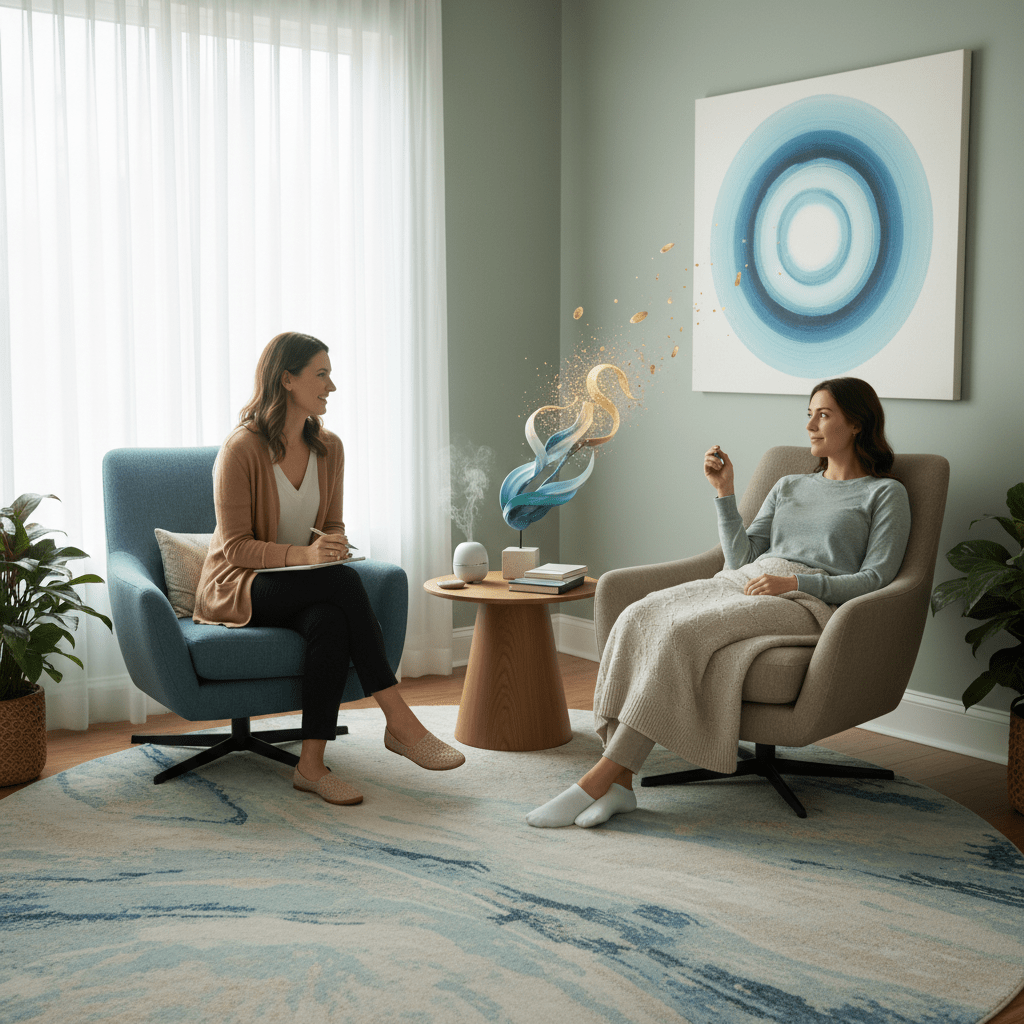
If you live with ongoing anxiety, panic, or stress, therapy for anxiety disorders outpatient can give you structured support without stepping away from your daily life. Instead of staying in a hospital or residential setting, you attend therapy at a clinic or program during the week and return home afterward.
Outpatient care ranges from once weekly counseling to more intensive programs that meet several hours per day. These options let you keep working, going to school, or caring for your family while still receiving focused help for anxiety, depression, and related concerns.
Research shows that outpatient psychotherapy, especially cognitive behavioral therapy (CBT), can significantly reduce anxiety symptoms and improve daily functioning in a relatively short period of time [1]. When therapy is combined with medication and other supports in a structured way, outcomes can be even stronger [2].
What outpatient therapy for anxiety looks like
Outpatient therapy for anxiety disorders is not one single program. It is a spectrum of care that can be tailored to what you need right now and adjusted as you heal.
Levels of outpatient support
You typically see three main levels of outpatient anxiety treatment:
-
Traditional weekly therapy
You meet with a therapist 1 to 2 hours per week for individual, family, or group sessions. This is the most common starting point for many people. Sessions help you explore root causes, learn coping skills, and practice new ways of responding to stress [3].
-
Intensive Outpatient Program (IOP)
An Intensive Outpatient Program provides a higher level of structure than weekly therapy. You attend treatment several days per week for 3 to 4 hours per day and participate in counseling, skills groups, and sometimes medication management. For example, UChicago Medicine’s IOP meets three to four hours a day, several days a week to address anxiety and related disorders [4].
-
Specialized intensive outpatient treatment
Some clinics offer highly focused intensive outpatient treatment for conditions like severe anxiety or OCD. Programs such as those at Light On Anxiety in Chicago provide 2 to 5 individual therapy sessions per week, using targeted methods like CBT, Exposure and Response Prevention (ERP), and Acceptance and Commitment Therapy (ACT) [5].
If you are exploring options, a structured mental health outpatient care program can help you determine whether traditional weekly therapy, an Intensive Outpatient Program, or a more specialized track is the right fit.
Typical weekly rhythm
In most outpatient programs for anxiety, your week may include:
- Individual CBT or other psychotherapy
- Skills-focused groups that teach coping strategies, mindfulness, and problem solving
- Optional family or couples sessions to improve communication at home
- Medication management appointments if you and your provider decide medication is appropriate
The Time-Efficient, Evidence-Based, Accessible, Multidisciplinary (TEAM) outpatient model is one example of how this can be organized. In this approach, patients with anxiety disorders received about 10 psychotherapy sessions and 4 medication management visits over 3 to 4 months, with more than half staying engaged for at least 3 months and showing large improvements in symptoms [6].
Core therapies used in outpatient anxiety treatment
Different approaches are used in therapy for anxiety disorders outpatient, but several evidence-based methods are especially common because of their strong track record.
Cognitive behavioral therapy (CBT)
CBT is considered a first-line outpatient treatment for anxiety disorders. It is structured, time-limited, and focused on how your thoughts, feelings, and behaviors interact.
In CBT you:
- Identify unhelpful thought patterns, such as catastrophizing or all-or-nothing thinking
- Test those thoughts against real evidence
- Replace them with more balanced, realistic perspectives
- Practice new behaviors in situations that typically trigger anxiety
CBT is usually delivered over 5 to 20 sessions and often includes homework, such as thought records and planned exposure exercises, so you can apply skills between sessions [7].
Studies suggest that outpatient CBT helps many people experience meaningful symptom improvement within 12 to 20 sessions and provides tools that last well beyond the end of formal treatment [8].
Exposure-based therapies
For phobias, social anxiety, panic disorder, or OCD, exposure-based treatments are often used within outpatient programs. These approaches help you gradually face feared situations, thoughts, or sensations in a safe and guided way.
Specialized programs like Light On Anxiety use Exposure and Response Prevention (ERP) along with CBT and ACT as part of intensive outpatient treatment, with many participants seeing significant symptom reduction within about 90 days [5].
Integrating medication with therapy
For some people, combining psychotherapy with medication provides the best results. Antidepressants such as SSRIs are commonly used for anxiety disorders. Evidence suggests that an integrated approach, where medication supports therapy and vice versa, can enhance outcomes in more severe cases [2].
In structured outpatient settings, you may have coordinated care with:
- A therapist for weekly or intensive sessions
- A psychiatrist or nurse practitioner for medication management
- Case managers or social workers to help with practical needs and follow through
The TEAM outpatient model is one example in which psychotherapists, psychiatrists, nurse practitioners, and case managers work together using measurement-based care to track your progress and adjust treatment as needed [6].
How outpatient therapy supports healing
Outpatient care does more than reduce symptoms in the short term. When you stay engaged, it can help you change how you relate to your thoughts, your body, and your stress for the long run.
Building self-awareness and insight
A major benefit of anxiety outpatient treatment is increased self-awareness. You learn to notice your emotional and behavioral patterns, understand your triggers, and recognize why certain situations feel so overwhelming [3].
Over time this awareness makes you:
- Catch early signs of escalating anxiety before it peaks
- Understand how past experiences shape current reactions
- See where unhelpful habits keep anxiety going
With this insight, you can make deliberate choices instead of reacting on autopilot.
Strengthening coping skills and confidence
Outpatient programs are designed to help you practice real-world coping strategies, not just talk about ideas in a session. Through individual, group, and skills-based therapies, you learn to:
- Use breathing and grounding exercises when panic rises
- Challenge and reframe anxious thoughts
- Communicate your needs more directly
- Problem-solve instead of avoiding difficult situations
Guidelight Health notes that outpatient treatment helps you learn to navigate difficult situations rather than withdraw from them, building confidence as you see yourself handling stressors more effectively [3].
Improving self-image and reducing shame
Anxiety often comes with self-criticism and shame. Outpatient therapy can counter this by helping you see your strengths as well as your struggles. With guided support, you practice self-compassion and begin to relate to yourself with more kindness and respect [3].
Group settings can be particularly powerful. When you hear others describe fears and patterns that mirror your own, it becomes easier to recognize that anxiety is a common, treatable condition, not a personal failing.
Why choose outpatient instead of inpatient care
Inpatient or residential care is sometimes necessary, for example when your safety is at risk or symptoms are extremely severe. However, for many people with mild to moderate anxiety, or those stepping down from higher levels of care, outpatient treatment is both appropriate and effective.
Comparable clinical outcomes, less disruption
Research on intensive outpatient programs for related conditions, such as depression, suggests that structured outpatient care can be just as effective as inpatient treatment for many people. In one 6-week intensive outpatient program for depression, patients attended daily sessions that included CBT, medication monitoring, social work, and activities like exercise and Qi Gong. Outcomes were comparable to a traditional inpatient program, with no significant difference in symptom reduction and even higher response rates for the outpatient group, at a much lower cost [9].
While this study focused on depression, it supports the broader idea that well-designed intensive outpatient treatment can match inpatient results for many individuals without requiring you to leave home or work.
Flexibility and cost-effectiveness
Compared to inpatient care, outpatient treatment:
- Allows you to keep attending work, school, or parenting
- Costs less overall, especially intensive outpatient programs versus residential stays
- Minimizes disruption to relationships and responsibilities
- Makes it easier to apply new skills directly in your daily routine
Mission Connection Healthcare emphasizes that outpatient anxiety treatment is particularly valuable given how common anxiety symptoms are in adults and notes that benefits include flexibility, cost-effectiveness, and less disruption to your family and community connections [10].
Who outpatient anxiety treatment is best for
Outpatient treatment is typically recommended if:
- Your symptoms are mild to moderate, or you are transitioning from higher levels of care
- You are medically stable and safe at home
- You have some ability to manage daily tasks, even if it feels difficult
- You are willing to participate consistently in sessions and practice skills between them
Mission Connection Healthcare notes that outpatient options are especially important given that only a minority of adults with anxiety disorders actually seek treatment, often due to fear or misconceptions about mental health care [10].
If you struggle mainly with panic attacks, a focused treatment for panic disorder outpatient may be appropriate. If social anxiety is your primary concern, you might consider a dedicated therapy for social anxiety outpatient program.
Integrated care: anxiety, depression, and substance use
Anxiety rarely exists in isolation. Many people experience overlapping challenges, including depression, trauma histories, or substance use. If this describes you, it is important to choose a program that can address all of these pieces together.
Treating anxiety and depression together
Anxiety and depression frequently appear side by side. Programs that offer an integrated outpatient program for anxiety and depression can coordinate therapy and medication management to address both conditions at once rather than treating them as separate issues.
The TEAM outpatient model mentioned earlier used measurement-based care to track anxiety, depression, and functioning over time. Among patients with moderate anxiety, about half achieved a clinical response and more than one third reached remission by the end of treatment [6]. This type of continuous monitoring helps your care team see what is working and what needs adjustment.
Addressing substance use alongside anxiety
If you have turned to alcohol or drugs to manage anxiety, it is essential that your program can address both mental health and substance use. An integrated mental health and substance abuse therapy program helps you:
- Understand how anxiety and substance use feed into each other
- Learn alternative coping skills that do not rely on substances
- Stabilize mood and sleep so that anxiety is easier to manage
- Reduce your risk of relapse by treating root causes, not just symptoms
By focusing on therapy-driven mental health treatment, you can begin to replace substance-based coping strategies with skills that support long-term recovery.
What to expect from progress and outcomes
Every person’s path is different, but it can be helpful to know what is realistic from therapy for anxiety disorders outpatient.
Typical response and remission rates
Studies show that:
- CBT for anxiety has a remission rate of around 51 percent in outpatient settings [2]
- Across a range of psychotherapy approaches, about 60 to 80 percent of people experience meaningful symptom reduction [2]
- Many people begin to feel measurable improvement within the first 3 months of consistent outpatient CBT [11]
These numbers do not guarantee a specific outcome for you, but they show that outpatient therapy is a strong, evidence-based choice.
The importance of ongoing support
Anxiety can fluctuate over time. Up to half of individuals treated for anxiety in outpatient therapy may experience some level of relapse without continued support [2]. This is not a sign that treatment has failed. It simply highlights the value of:
- Maintenance sessions after you complete a more intensive phase
- Skills groups or peer support that reinforce what you learned
- Early contact with your therapist if symptoms start rising again
Measurement-based care, where you regularly complete brief questionnaires about your anxiety, mood, and functioning, can help you and your team notice changes early and adjust your plan as needed [6].
Healing from anxiety is rarely a straight line. Outpatient therapy gives you a structure you can return to as often as you need, so progress becomes something you build and maintain, not a one-time event.
Practical considerations: access, insurance, and fit
Choosing the right outpatient program is about more than clinical methods. You also need care that fits your life and your resources.
Access and scheduling
Outpatient therapy is designed to be more accessible than inpatient care. Programs may offer:
- Evening or early morning appointments
- Virtual options for individual or group sessions
- Intensive daytime schedules that can be arranged around work or school
For example, UChicago Medicine offers both in-person and virtual outpatient therapy, as well as weekly coping skills groups for adults and adolescents delivered via Zoom [4].
If you need a higher level of structure, a best outpatient anxiety treatment program or outpatient anxiety treatment program can help you find an Intensive Outpatient or similar level of care that still allows you to remain at home.
Insurance coverage and affordability
Cost is a real concern for many people. Fortunately, many outpatient services are covered by health insurance, especially when they are part of an established mental health outpatient program with therapy. You can also explore an anxiety counseling program covered by insurance to understand your specific benefits.
While intensive outpatient programs involve more hours per week, they remain substantially less expensive than inpatient or residential care, and research in related conditions suggests that intensive outpatient options can provide comparable symptom improvements at a fraction of the cost [9].
Finding a program that fits you
When you speak with a program or provider, consider asking:
- What types of therapy do you use for anxiety disorders?
- Do you offer individual, group, or family sessions?
- How often will I attend, and for how long?
- Is medication management available if I need it?
- How do you measure progress and adjust treatment?
- Can you address co-occurring depression or substance use?
Some centers, like UChicago Medicine, offer no-cost, confidential assessments to help determine what level of outpatient care is appropriate for you [4]. An initial assessment is a good way to clarify your needs and begin shaping a personalized plan.
Taking your next step
If you are considering therapy for anxiety disorders outpatient, you are already taking an important step toward change. Anxiety, panic, and stress-related disorders can feel overwhelming, but they are highly treatable with structured, therapy-driven care.
Whether you start with weekly counseling, join an intensive outpatient program, or enroll in a combined outpatient program for anxiety and depression, you do not have to work through this alone. With evidence-based therapy, integrated support for co-occurring issues like substance use, and a plan that fits your life, you can begin to reclaim your days from anxiety and move toward the calmer, more stable future you want.