What mood disorders and addiction look like in everyday life
When you live with depression, bipolar disorder, or ongoing mood swings, daily life can start to feel unpredictable. When addiction is part of the picture, things often feel even more out of control. You might notice that you drink or use substances to cope, then feel your mood crash even harder afterward.
Mental health professionals refer to this combination as co occurring or dual diagnosis. People with substance use disorders often experience depression, anxiety, or bipolar disorder at the same time [1]. These conditions interact with each other, so you are not just dealing with two separate problems. You are facing a complex pattern that needs an integrated approach.
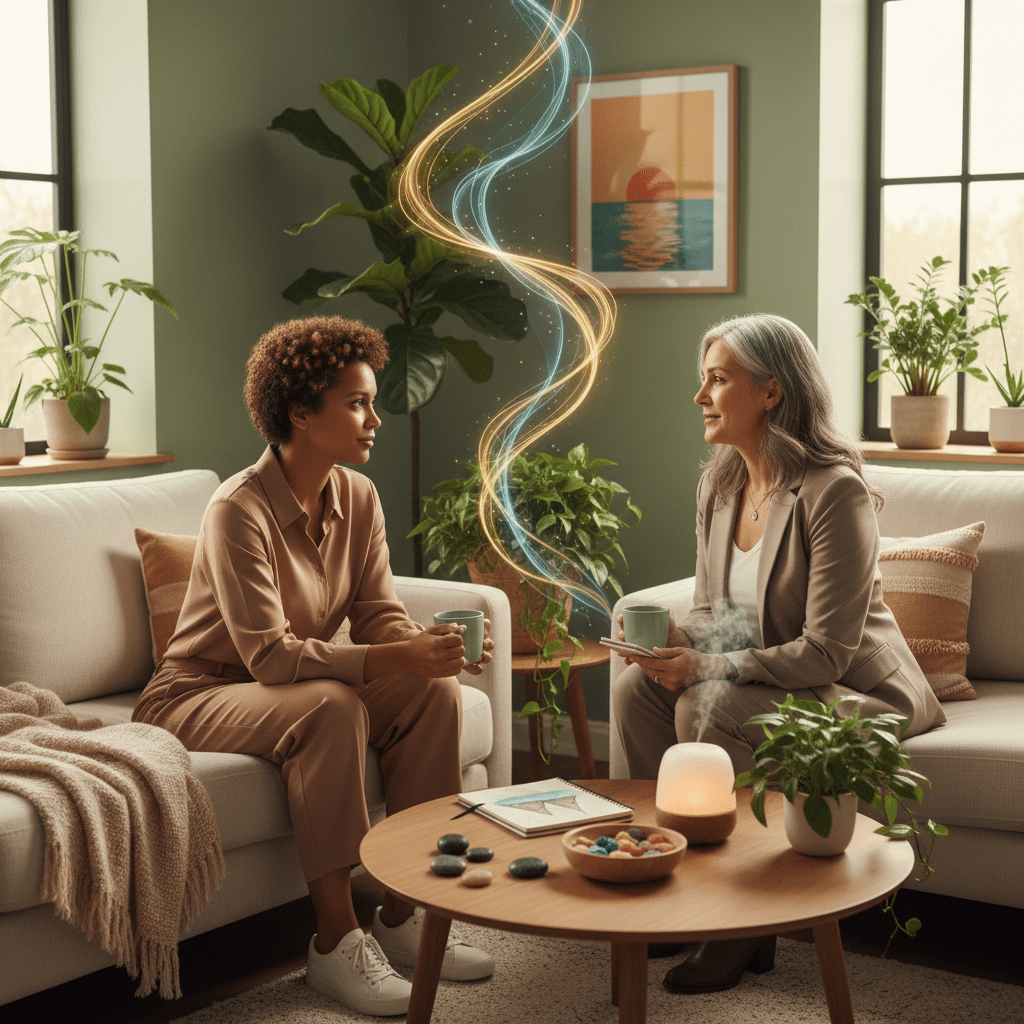
Outpatient therapy for mood disorders and addiction gives you a structured place to work on both issues at once. Instead of trying to manage everything alone between short doctor visits, you have regular sessions, predictable support, and a long term plan.
If you are looking into a therapy for depression outpatient program or a bipolar disorder outpatient treatment program, understanding how these services work can help you take the next step with more confidence.
Why outpatient care is often a good fit
You might not need or want to step away from your life for residential treatment. Outpatient programs are designed so you can keep living at home, going to work or school, and caring for your responsibilities while you receive consistent help.
Outpatient therapy for mood disorders and addiction typically focuses on three goals:
- Stabilizing your symptoms
- Treating the underlying conditions with evidence based care
- Supporting long term recovery and relapse prevention
In a structured outpatient mental health care setting, you usually attend sessions several times per week at first, then gradually step down in intensity as you gain stability. This gradual shift gives you space to test new skills in real life while still having a safety net.
You might choose outpatient care if you:
- Need ongoing support but do not require 24 hour supervision
- Have already completed inpatient or residential treatment and want to maintain progress
- Are balancing work, school, or caregiving and need flexible scheduling
- Are seeking a dual diagnosis depression treatment outpatient program that addresses both mood and substance use together
Core therapies used for mood disorders and addiction
Effective therapy for mood disorders and addiction combines several approaches so you can address symptoms, habits, and underlying patterns. Research supports using a mix of psychotherapy and medications, and many people benefit most when both are part of their plan [2].
Cognitive behavioral therapy (CBT)
CBT is one of the most studied treatments for depression, bipolar depression, and substance use disorders. It helps you identify thoughts and beliefs that keep you stuck, then replace them with more balanced ways of thinking and acting.
Clinical trials have found that CBT can be as effective as antidepressant medications for major depressive disorder, and its benefits often last beyond the end of active treatment [3]. When CBT is used for co occurring mood and substance use disorders, it can reduce both depressive symptoms and substance use over time [4].
In outpatient care, CBT may help you:
- Notice connections between your mood, cravings, and behavior
- Challenge all or nothing or self critical thinking that worsens depression
- Build practical coping strategies for high risk situations
- Create structured plans for managing triggers and urges
Interpersonal and family focused therapies
Your relationships and daily routines can strongly influence your mood and your substance use.
Several therapies target these areas directly:
- Interpersonal psychotherapy (IPT) focuses on how grief, role changes, conflicts, and isolation affect depression. Studies show IPT works as well as medications for many people with major depression and is more effective than no treatment [3].
- Family focused therapy (FFT) and Interpersonal and Social Rhythm Therapy (IPSRT) are especially helpful if you live with bipolar disorder. These approaches build communication skills, reduce family stress, and stabilize daily routines like sleep and activity patterns, all of which can help prevent mood episodes [5].
When addiction is also present, involving loved ones can improve outcomes and reduce relapse risk. Behavioral couples and family therapies have been shown to increase abstinence and improve relationship functioning in people with alcohol and drug use disorders [6].
Mindfulness based approaches
Mindfulness is the practice of paying attention to the present moment with curiosity rather than judgment. Many outpatient programs now integrate mindfulness with CBT.
Mindfulness based cognitive therapy (MBCT) can significantly reduce the risk of depressive relapse, especially if you have had several prior depressive episodes. In some studies, MBCT worked as well as or better than maintenance antidepressant medication for preventing future episodes [3].
In the context of addiction and mood disorders, mindfulness based interventions can help you:
- Notice early warning signs of mood shifts
- Sit with cravings without automatically acting on them
- Reduce emotional reactivity and impulsive decisions
- Develop a more compassionate relationship with yourself [7]
Motivational interviewing and contingency management
If you feel conflicted about changing your substance use, you are not alone. Motivational interviewing (MI) is a counseling style that helps you explore that ambivalence without pressure or judgment.
Research shows MI can improve engagement, increase readiness to change, and support better outcomes in people with co occurring mood and substance use disorders [4]. You work collaboratively with your therapist to clarify your values, compare them to your current behavior, and set your own goals.
Contingency management uses small, meaningful rewards as positive reinforcement for meeting treatment goals, such as attending sessions or providing negative drug screens. These approaches have shown strong effects in reducing substance use, including in people with mental health conditions [4].
Integrated and flexible therapy models
Integrative therapy weaves together several evidence based methods, including CBT, mindfulness, dialectical behavior therapy (DBT) skills, somatic work, and creative therapies. This flexible structure makes it possible to adapt your treatment as your needs change over time [7].
For complex or treatment resistant mood disorders combined with addiction, integrated therapy can provide:
- Personalized combinations of individual, group, and family sessions
- Space to address trauma, anxiety, PTSD, and substance use together
- Skills for emotion regulation, distress tolerance, and healthy boundaries
This type of integrated care has been shown to be more effective than treating each condition separately [8].
Role of medication in outpatient treatment
For many people, medications are an important part of therapy for mood disorders and addiction. Your exact plan depends on your diagnosis, past treatment responses, physical health, and personal preferences.
According to the Mayo Clinic, mood disorders like depression and bipolar disorder are often treated with medications, talk therapy, or a combination of both, and combining the two tends to produce the best results [2].
If you are dealing with both mood symptoms and substance use, your prescriber might discuss:
- Antidepressants such as selective serotonin reuptake inhibitors (SSRIs) for depression and anxiety
- Mood stabilizers or atypical antipsychotic medications for bipolar disorder
- Medications for addiction, for example naltrexone for alcohol dependence or methadone for opioid use disorder
Naltrexone can reduce alcohol cravings, delay relapse, and decrease the severity of relapse in people with alcohol dependence [6]. Methadone maintenance has been shown to decrease illicit opioid use, psychiatric symptoms, and legal problems while supporting employment and daily functioning [6].
When combined with psychotherapy, these medications can significantly enhance both mood stability and recovery outcomes for alcohol, opioid, and other substance use disorders [6].
If you are concerned about cost, it can be helpful to review your insurance options and look into depression therapy covered by insurance to understand what services might be included in your plan.
Brain stimulation and advanced options
If your depression does not respond to standard medications and psychotherapy, your provider may discuss more advanced treatments.
The Mayo Clinic notes that brain stimulation therapies, including transcranial magnetic stimulation (TMS) and electroconvulsive therapy (ECT), are options when other treatments have not worked or symptoms are severe [2].
These treatments are usually provided in specialized settings but can be coordinated with your outpatient therapy plan. You would continue working with your therapists and prescribers before, during, and after these treatments to support your overall stability and safety.
How integrated treatment works for dual diagnosis
When you live with both a mood disorder and addiction, treating only one issue at a time is rarely enough. Integrated treatment means you receive coordinated care for both conditions through a unified plan.
Research has consistently found that integrated treatment is superior to separate or parallel treatment plans for co occurring psychiatric and substance use disorders [8]. This approach might include:
- One team that communicates about your medications, therapy goals, and progress
- Sessions that address how substances affect your mood and how mood shifts affect your substance use
- Education about how depression, bipolar disorder, and addiction interact in the brain and body
- Skills training to manage cravings, mood swings, and stress in healthier ways
For example, combining SSRIs with CBT has been shown to be effective for people with alcohol use disorder and depression, while specialized group therapies like Integrated Group Therapy (IGT) can reduce both substance use and mood symptoms in bipolar disorder with co occurring addiction [8].
If you need care that explicitly focuses on both conditions, you might explore an outpatient program for bipolar and substance abuse or another integrated dual diagnosis option.
What you can expect in an outpatient program
Although every program is different, most outpatient services that specialize in therapy for mood disorders and addiction share some common features.
Assessment and diagnosis
Your care usually starts with a detailed assessment that covers:
- Current symptoms, including mood, anxiety, sleep, and energy
- Substance use patterns, including type, frequency, and history
- Past treatments and what has or has not helped
- Medical history and current medications
- Family background, relationships, work or school situation, and sources of stress
Accurate diagnosis of co occurring conditions is essential and requires providers who are trained in both mental health and substance use disorders [1]. A thorough assessment helps reduce missed or inaccurate diagnoses and guides your treatment choices.
Personalized treatment planning
Based on your assessment, your team works with you to develop a plan that may include:
- Individual psychotherapy, such as CBT, IPT, DBT, or integrative approaches
- Group therapy focused on skills, relapse prevention, or shared experiences
- Family or couples therapy where appropriate
- Medication management with regular monitoring and adjustments
- Referrals for medical care, peer support groups, or community resources
If you are specifically seeking depression focused care, an outpatient depression treatment program or the best outpatient program for depression recovery for your needs will often include many of these elements.
Schedule and structure
Outpatient programs range in intensity:
- Traditional outpatient: one or two sessions per week
- Intensive outpatient programs (IOP): usually 3 to 5 days per week, several hours per day
- Partial hospitalization programs (PHP): often 5 days per week, most of the day
Your level of care can change over time. When symptoms are more severe, you might start in a higher intensity program. As you stabilize, you can step down to fewer hours per week while maintaining a strong connection with your providers.
This type of mental health treatment for mood disorders outpatient care is designed so that you and your providers can regularly evaluate what is working and adjust your plan as needed [1].
Support beyond formal treatment
Recovery from mood disorders and addiction is not a quick project. It is an ongoing process that usually involves medical care, therapy, practical support, and changes in your daily life.
In addition to formal outpatient programs, you might benefit from:
- Peer support groups for depression, bipolar disorder, or addiction
- Community resources that help with housing, employment, or education
- Family education and support services so loved ones understand what you are facing
If you or someone you care about needs help finding local treatment options or support, SAMHSA’s National Helpline offers free, confidential information and referrals 24 hours a day, every day of the year. The helpline can connect you with treatment facilities, support groups, and community organizations, and it is available in English and Spanish [9].
Taking your next step toward care
If you recognize yourself in any of this, you do not have to sort it all out alone. Outpatient therapy for mood disorders and addiction gives you consistent support while you continue living your life, and it can be adapted around your responsibilities and goals.
You might start by:
- Talking with your primary care provider about your mood, substance use, and treatment history
- Asking about referrals to therapists or psychiatrists who have experience with dual diagnosis
- Exploring a therapy for depression outpatient program or bipolar disorder outpatient treatment program that offers integrated care
- Looking into whether depression therapy covered by insurance applies to the services you are considering
With the right combination of structured outpatient mental health care, evidence based therapies, and ongoing support, you can work toward a more stable mood, healthier coping tools, and a life that is less controlled by addiction.
References
- (NIMH)
- (Mayo Clinic)
- (NIH PMC)
- (PMC)
- (NIH PMC, PMC)
- (PMC)
- (Recovery.com)
- (PMC)
- (SAMHSA)